
Wellness Spotlight — One Bottle, Eight ‘Battles’: Fitness Under Fire
/
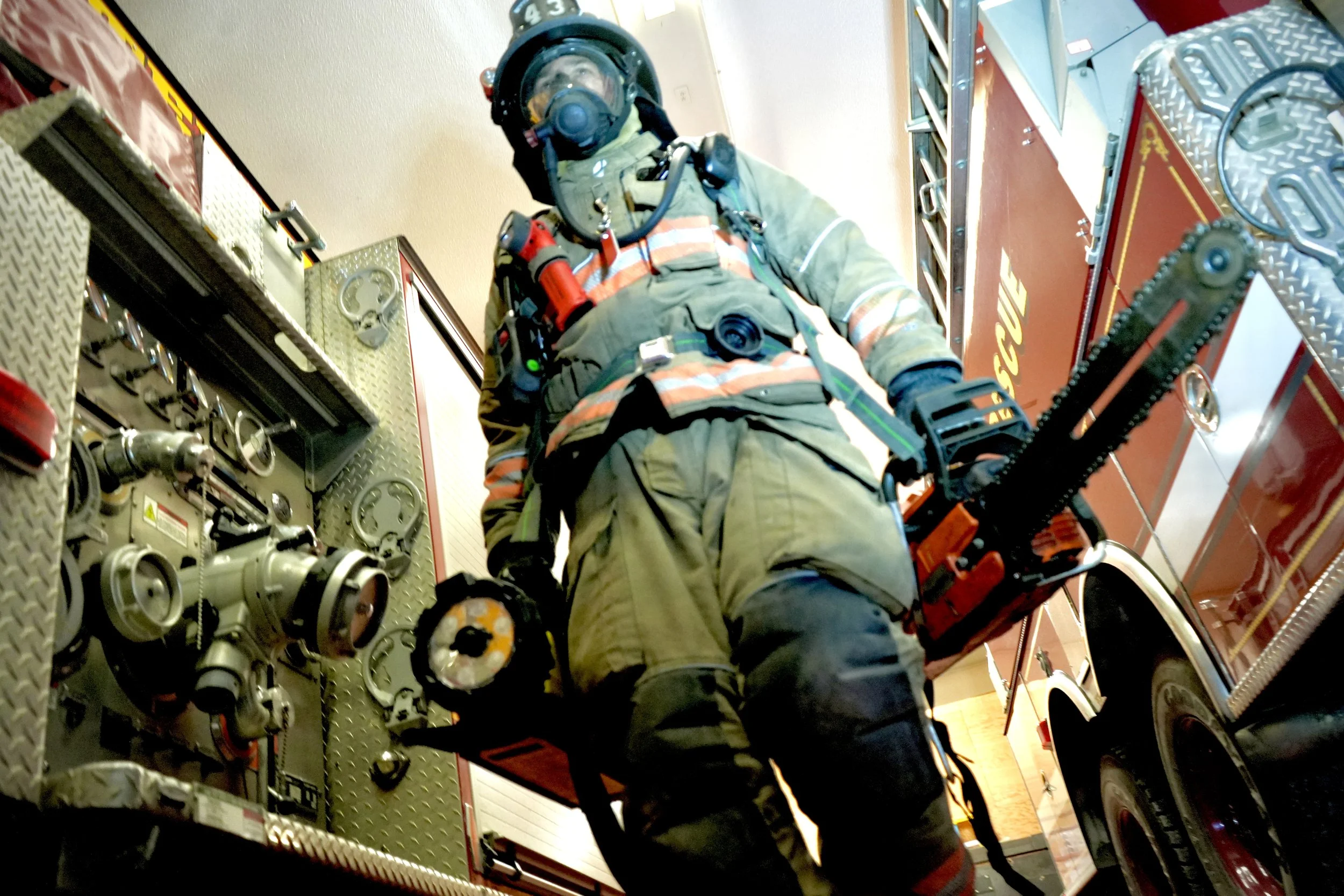
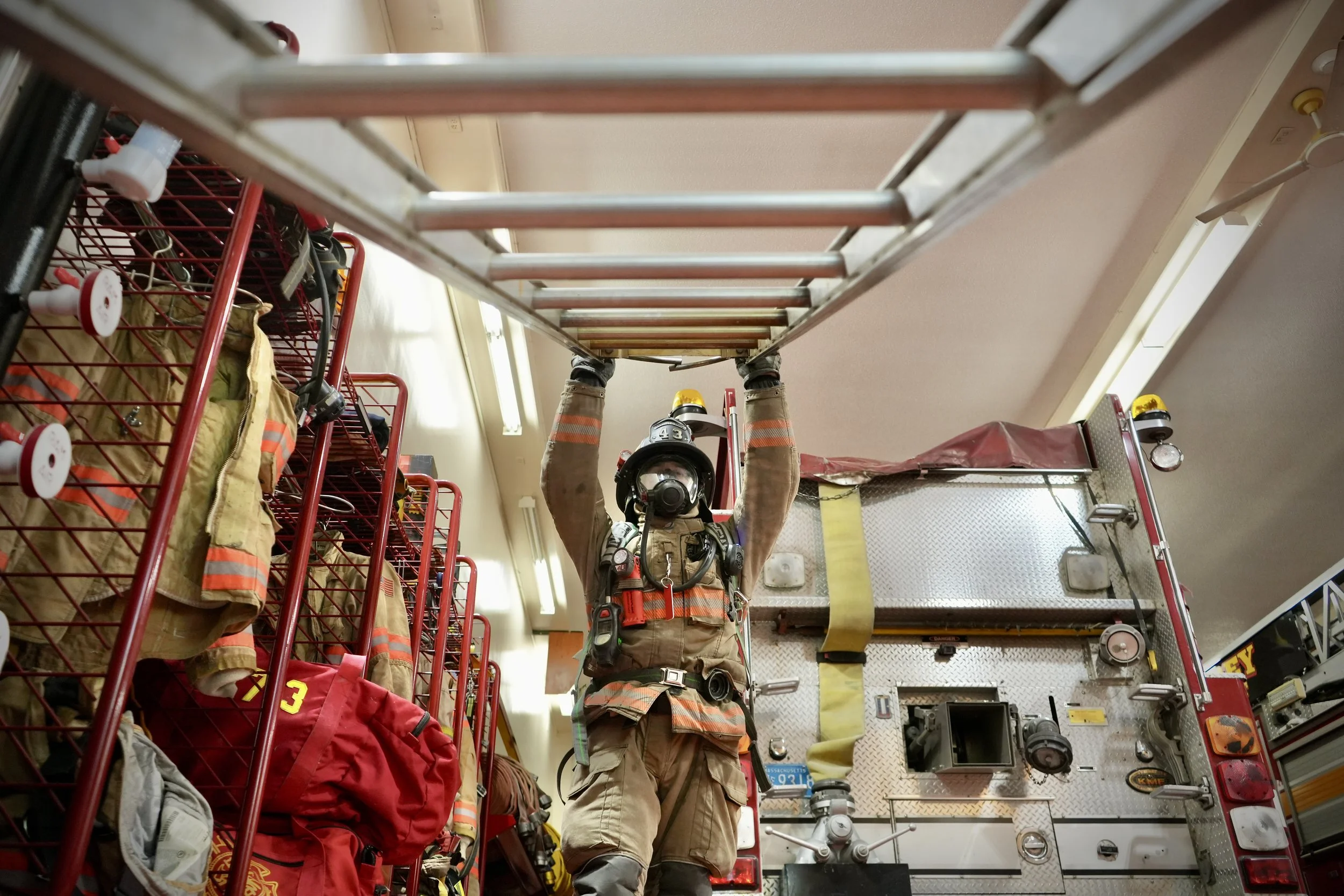
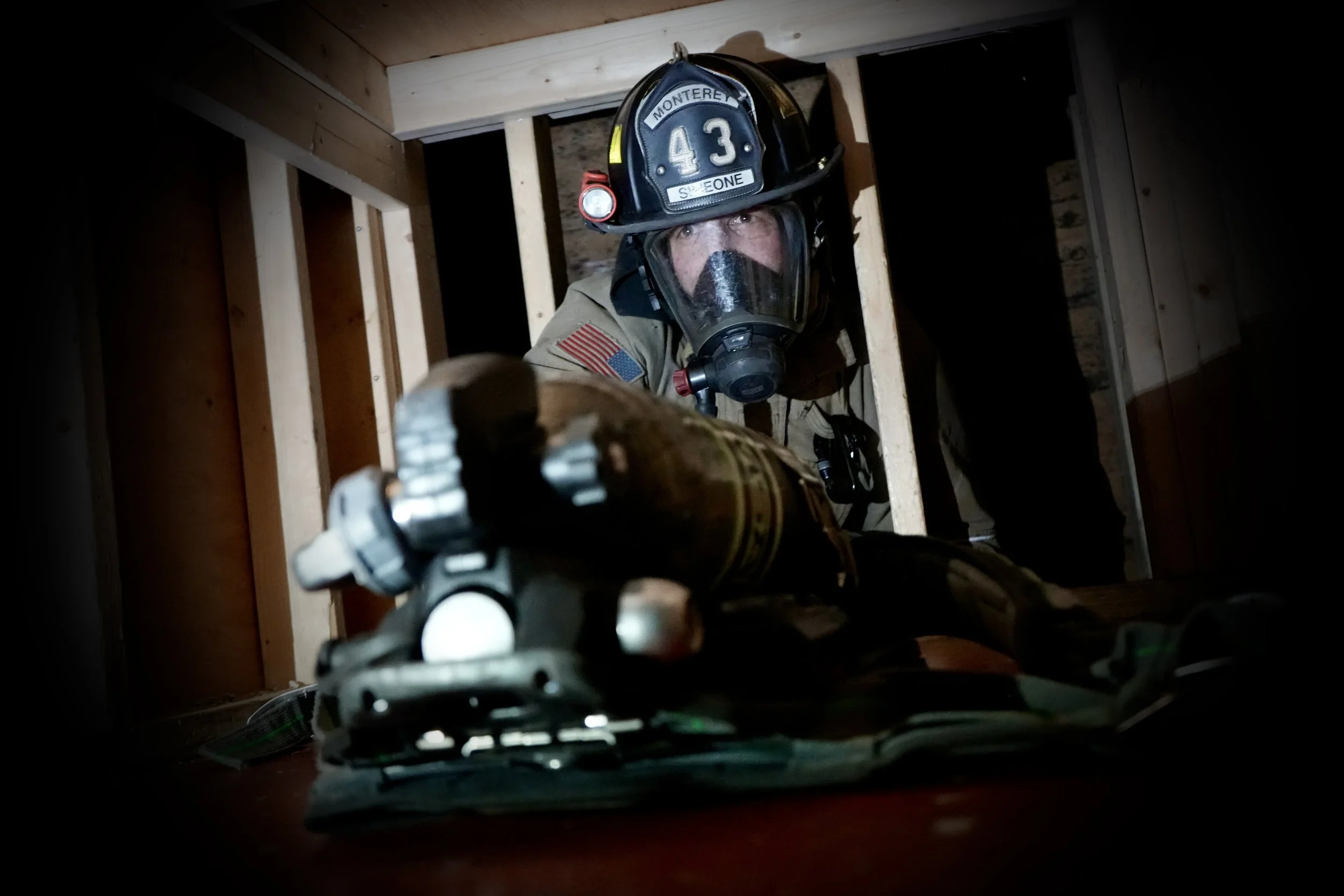
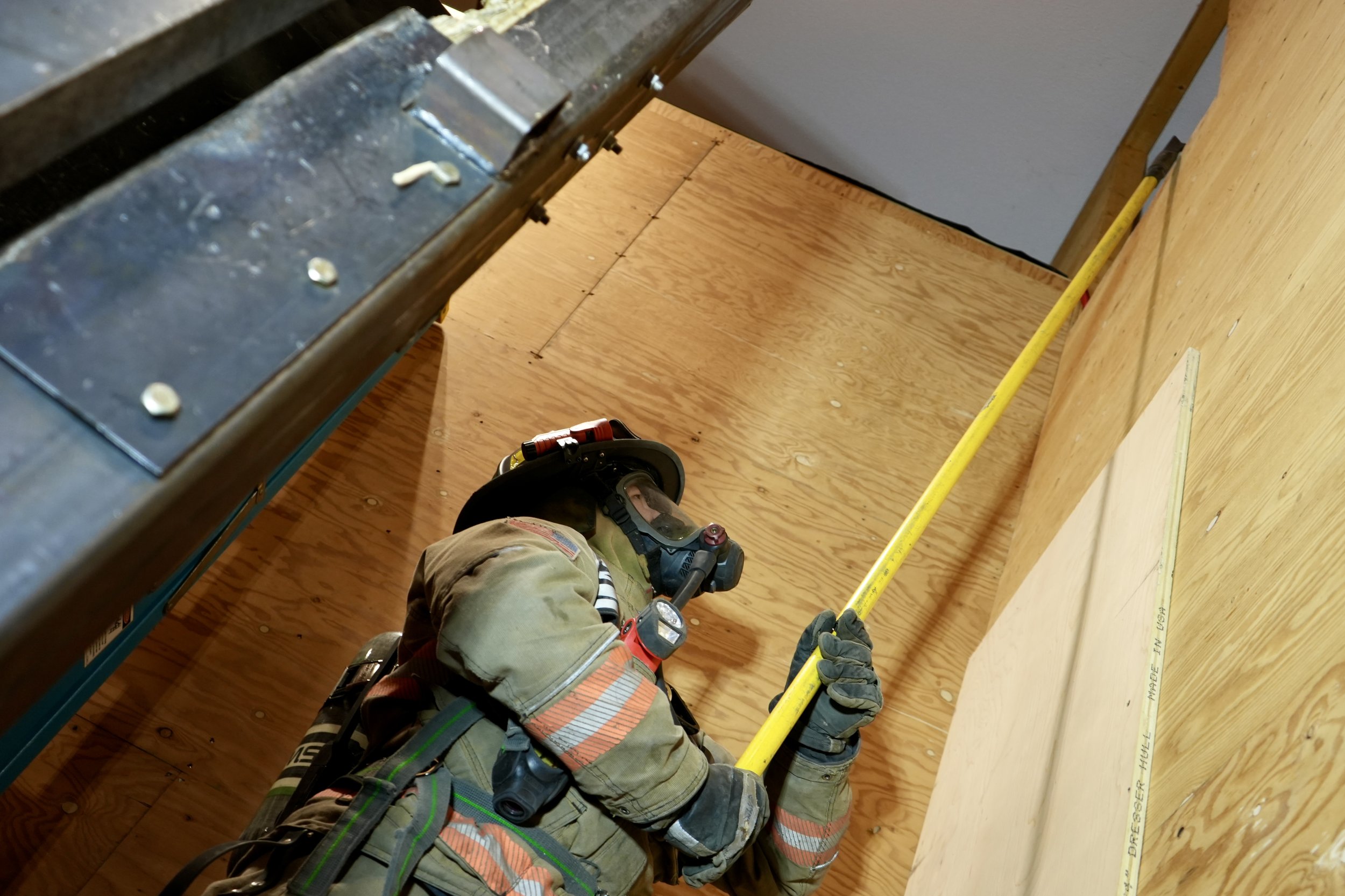
Public opinion polls tell a consistent story: Firefighters occupy a rare place in the public imagination. We’re trusted, respected and cast as strong, capable and steady when the world tilts off its axis. That picture holds some truth, but it leaves important parts in shadow.
Across the fire service nationwide, health experts have long been raising red flags. Obesity rates among firefighters often meet or exceed the national average. And this isn’t just cosmetic. Sudden cardiac events and overexertion remain the leading causes of on-duty firefighter deaths, accounting for roughly 45–65 percent of line-of-duty fatalities in the U.S.
In Monterey, we’ve taken health and fitness seriously for years. Many of us have learned firsthand what “real exertion” feels like, the sucking wind that hits during overhaul, when the fire’s knocked down but the real work begins: pulling ceilings, opening walls, hunting heat, and doing it all on borrowed time and borrowed air. Still, until recently, there was a missing piece.
Enter the Physical Ability Test (PAT). Since last year, the Monterey Fire Department has required all interior firefighters to pass the PAT. The test isn’t about speed; it’s about the ability to work hard, stay calm and keep moving while breathing from a self-contained breathing apparatus (SCBA). To pass, candidates must complete all eight stages of the test in a single, continuous sequence without running out of air.
That bottle? A “30-minute” cylinder that lasts more like 12–16 minutes under real fireground conditions. Fully geared up, you’re carrying roughly 45 pounds of turnout gear and air. Your breathing rate is elevated, and everything you do costs oxygen, often faster than you think.
Here’s the Test
(Thanks to our colleague Enrico Simeone for letting us tag along during a recent PAT training.)
1. Gear Up
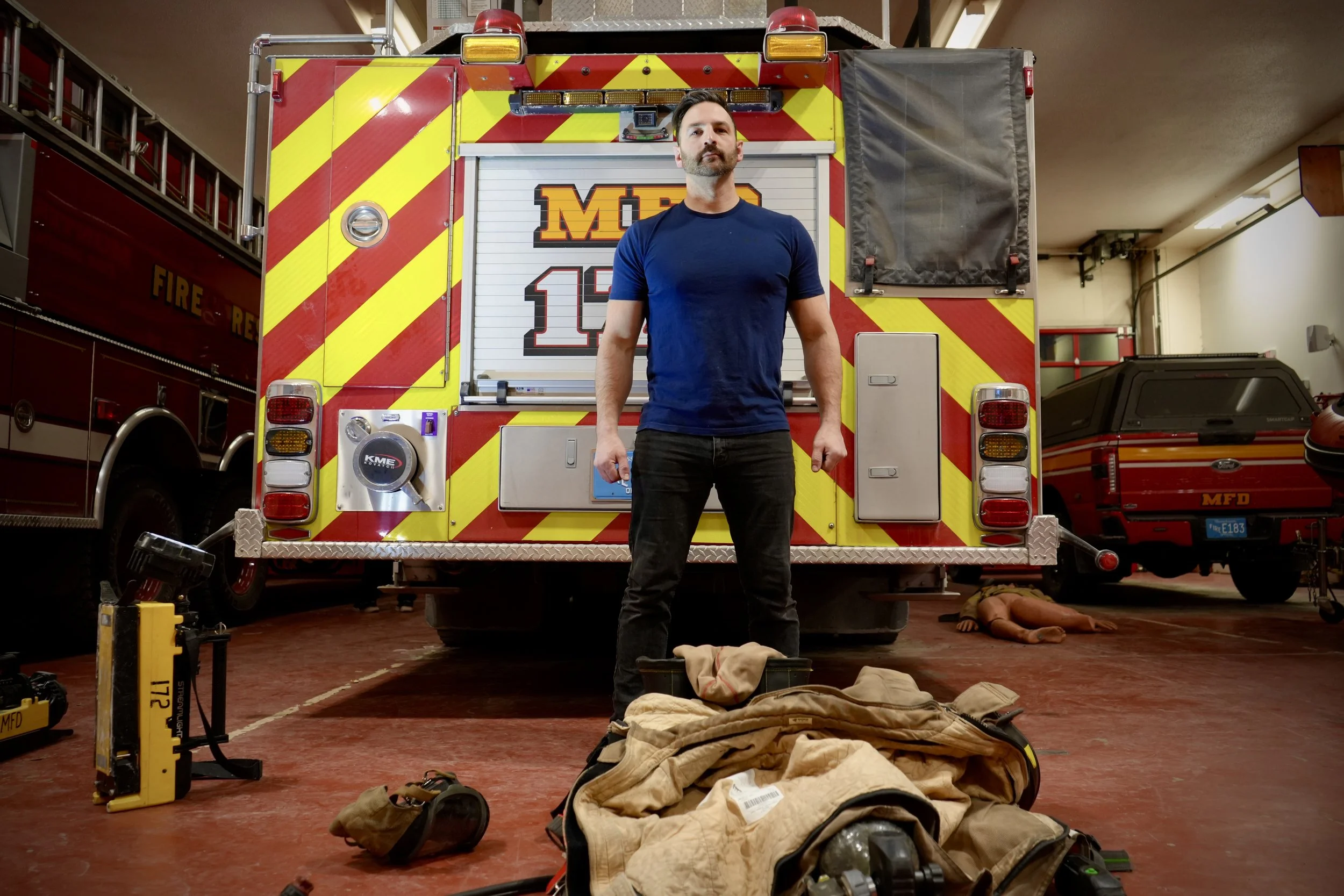
You’ve got 90 seconds to build your armor, to turn from civilian to firefighter. Bunker pants up, boots planted, jacket on, hood sealed, helmet set, gloves tight, mask on, air flowing. It’s not a scramble, it’s choreography. By the time the regulator hisses to life, you’re not rushing. You’re ready.
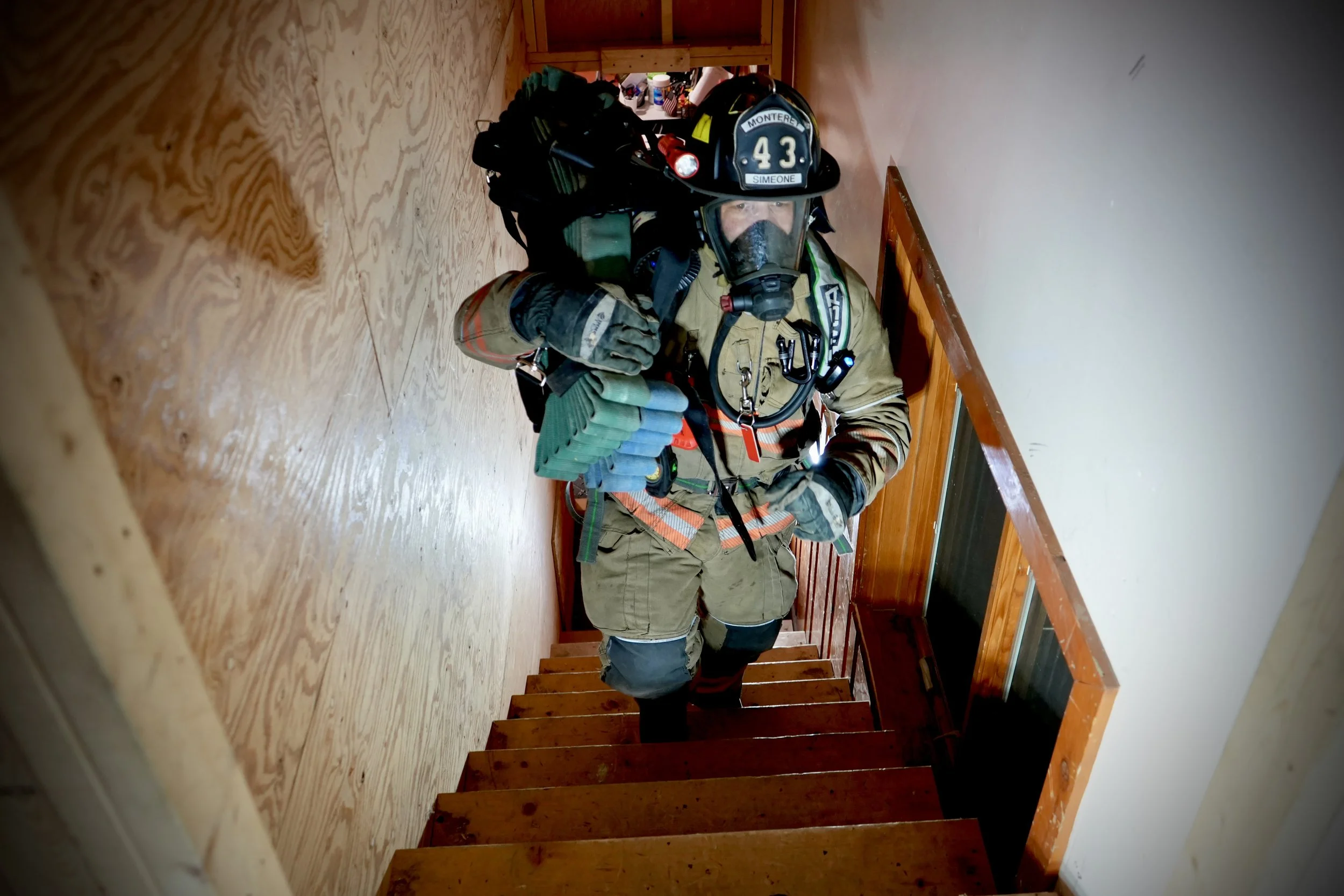
2. High-Rise Hose Pack Stair Climb
Carry a 30–40-pound high-rise hose pack up and down a single-story stairwell. Repeat, six times. Legs burn. Lungs scream. Grip strength is tested. By round four, your lungs and legs are reconsidering life choices. Highly unpleasant, this evolution reminds you that endurance is just as vital as speed.
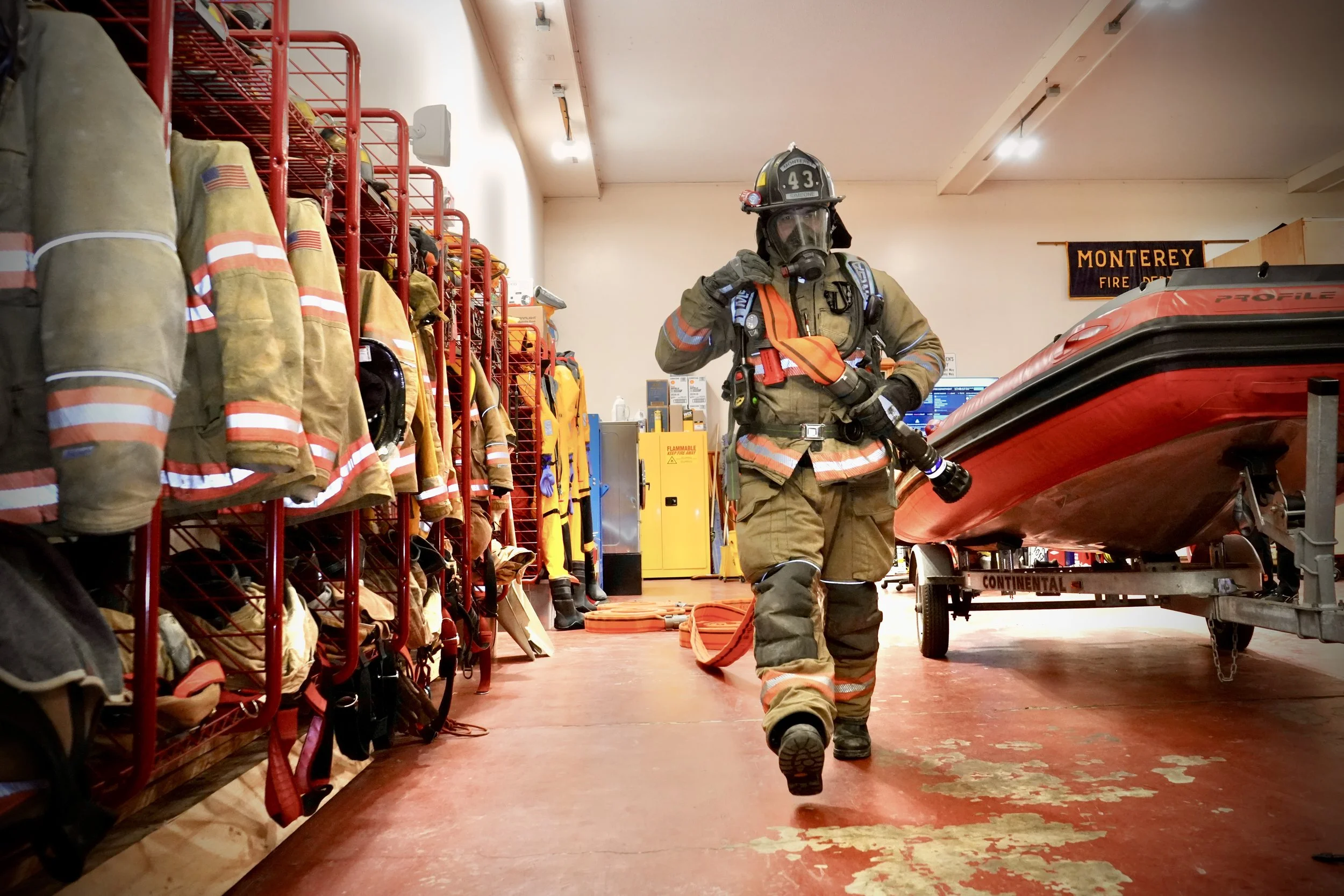
3. Hose Drag
Drag three 50-foot lengths of 2.5-inch hose and then pile them (somewhat) neatly. The hose is awkward, heavy and unforgiving. (In the real world, when it’s charged with water, the hose line is basically a stubborn anaconda ready to wrestle.) This tests raw strength, persistence and patience in equal measure.
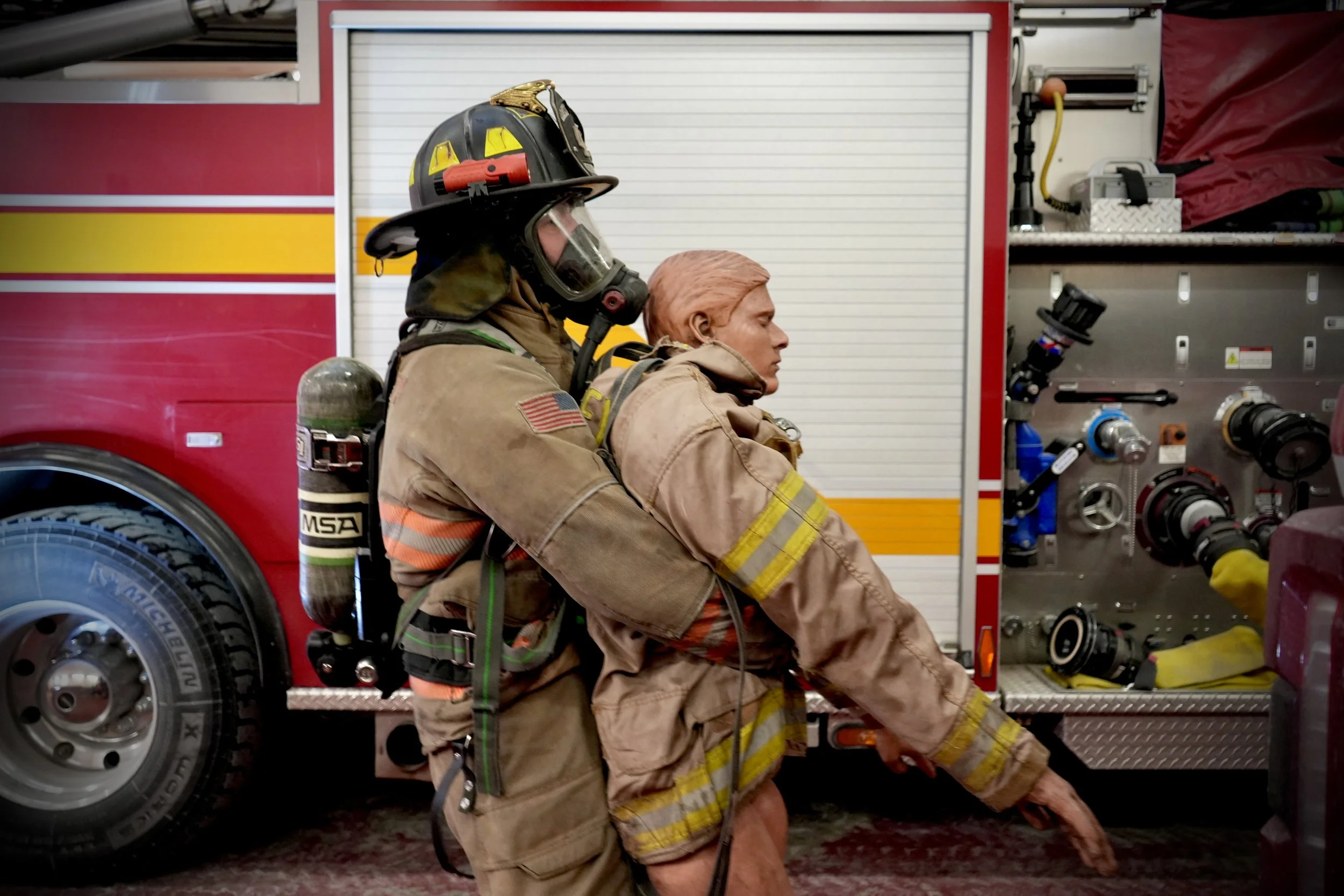
4. Dummy Rescue
Lift up and drag a 180-pound rescue dummy (a silent, unhelpful, smirking patient) the length of the bay and back. Every step tests your mechanics. The length of the bay seems to stretch into infinity, trippy like in an old Hitchcock film. Protect your back. Guard your air. And thank the dummy for his service.
5. Equipment Carry
Carry two tools around the bay. A brief chance to breathe? Maybe. This evolution shifts the strain from lungs to grip and core. It’s controlled discomfort.
6. Ladder Raises
Raise a 14-foot ladder. Lower it. Repeat six times. It’s amazing how quickly a simple ladder can expose sloppy timing. Shoulders, coordination and breathing control are tested all at once. Smooth execution prevents unnecessary spectacle.
7. The Maze
We built one. And you have to crawl through it. This is where the PAT gets personal. The maze is a completely dark, confined space with one way in and one way out. Drops, narrow passages as small as 16 inches and entanglement hazards test claustrophobia, stress management and SCBA handling. This evolution is not about strength, it’s about composure, problem-solving and air management under sensory deprivation.
8. Ceiling Breach and Pull
Grip the pike pole. Look up. Thirty pushes. Thirty pulls. Overhead. By now, fatigue is no longer selective. It’s everywhere. Sloppy reps waste energy. Clean mechanics conserve it. The number 30 never felt so far away.
Why It Matters
The PAT doesn’t just check boxes. It mirrors real fireground demands, including cardio endurance, strength and the ability to move with purpose under load. Most importantly, it measures how much meaningful work you can do on a single bottle of air.
And we’re already seeing the results. This winter’s structure fires told the story: firefighters doing more work on a single bottle and looking a lot less like they just ran a marathon in turnout gear.
Importantly, the PAT has become a training baseline, not a one-time hurdle, and yes, it’s brutal. But afterward? The runner’s high is real, the camaraderie is real, and the shared “we survived that” grin is real. It’s worth every controlled, hard-earned gasp.